
How to Look Up Utah County Jail Population Data
The Sheriff's Office runs an Inmate Statistics page for the Utah County Jail. The page loads its figures dynamically, which means the count is pulled live rather than printed as a fixed number. Because of that, the figure you see reflects the jail on the day you look, not an old report. The official statistics page is the right place to read the current count.
Live data is more honest than a stale number, but it also means there is no single "headline" figure that stays true week to week. Treat the Sheriff's page as the source of truth for the current count. National and state context, covered further down, helps you judge whether a county number is high or low for a place its size.
Utah County Jail Capacity Overview
Utah County holds inmates at one main facility, the County Security Center in Spanish Fork, which also houses the Sheriff's Office. The official sources reviewed for this page do not publish a fixed rated-bed capacity, so no bed count is stated here. What the Sheriff does publish is the live statistics page and the contact information for the jail. The table summarizes the facility and where its numbers come from.
| Facility | Location | Published Data |
|---|---|---|
| Utah County Jail / County Security Center | 3075 North Main, Spanish Fork, UT 84660 | Live Inmate Statistics page; capacity not posted publicly |
For a name search of who is in the jail right now, the live roster on the inmate records page is the tool to use.
Average Daily Population
Average daily population, or ADP, is the typical number of people held across a period, smoothed out so single-day spikes do not skew the picture. It is the standard way jails and researchers describe size over time. Utah County's official pages do not post an ADP figure, and this page will not invent one. To gauge a daily count, read the Sheriff's live statistics page. To compare across time or place, the national jail reports cited below report ADP for jails of many sizes.
What Shapes the Jail Population
A public demographic breakdown of the Utah County Jail was not found in the official sources reviewed, so no race, sex, or age percentages are listed here. What is documented is how the jail classifies people, which shapes who is held where and for how long. The jail classifies an inmate 3 to 5 days after incarceration. The factors below come from the Sheriff's own description of that review.
| Classification Factor | Why It Matters |
|---|---|
| Current charges | Sets the security level and housing. |
| Past convictions and felony history | Affects placement and program eligibility. |
| Escape history and behavior | Influences custody level and movement. |
| Alcohol or drug use | Flags treatment and medical needs. |
| Stability factors | Age and employment weigh into placement. |
Classification affects housing, day room access, programs, visiting, and commissary, so it does more than sort people; it shapes daily life inside.
Pretrial vs. Sentenced Population
Jails hold two broad groups. Pretrial inmates are waiting for their cases to resolve and have not been convicted. Sentenced inmates are serving time after a conviction. The split between the two is a key measure of how a jail is used, since a high pretrial share points to people held before trial, often on bond they cannot post. Utah County does not publish its own pretrial-to-sentenced split in the sources reviewed. The federal Bureau of Justice Statistics reports this split for jails nationally, which is the best available reference.
Misdemeanor vs. Felony Population
The charge level also tells part of the story. In Utah, all felony and class A misdemeanor cases are filed in district court, while most class B and class C misdemeanors and infractions are justice court matters. A county jail holds a mix of both pretrial felony defendants and people serving short misdemeanor sentences. Utah County does not post a public felony-to-misdemeanor breakdown, but the court routing explains why both groups appear. The court records page covers how cases split between the district and justice courts.
Mental Health and Medical Population
Part of any jail population needs medical or mental health care, and Utah County runs services for that group. The jail handles sick call, mental health, and medical care through inmate request and grievance forms. It also runs the OUT Program, a short-term residential drug treatment program brought into the jail by Wasatch Behavioral Health, giving eligible inmates about 20 hours of programming a week for 13 weeks. Meals are designed by a dietician to provide 2,900 calories a day. These services do not change the count, but they shape the needs of the people held.
Alternatives That Affect the Count
Some people under the Sheriff's authority are not in a cell. Utah County runs alternatives to incarceration that keep the in-jail count lower than the total caseload. These programs appear in the booking status codes, where status E marks electronic monitoring and status D marks work diversion. The two main alternatives are described below.
- GPS Diversion - participants wear an ankle monitor, live at home, report to the jail weekly, and attend a class.
- Work Diversion - participants work set days through the jail on supervised crews and pay weekly fees.
Because these people are tracked outside the walls, the live in-custody count is only part of the Sheriff's full population picture.
National and State Context
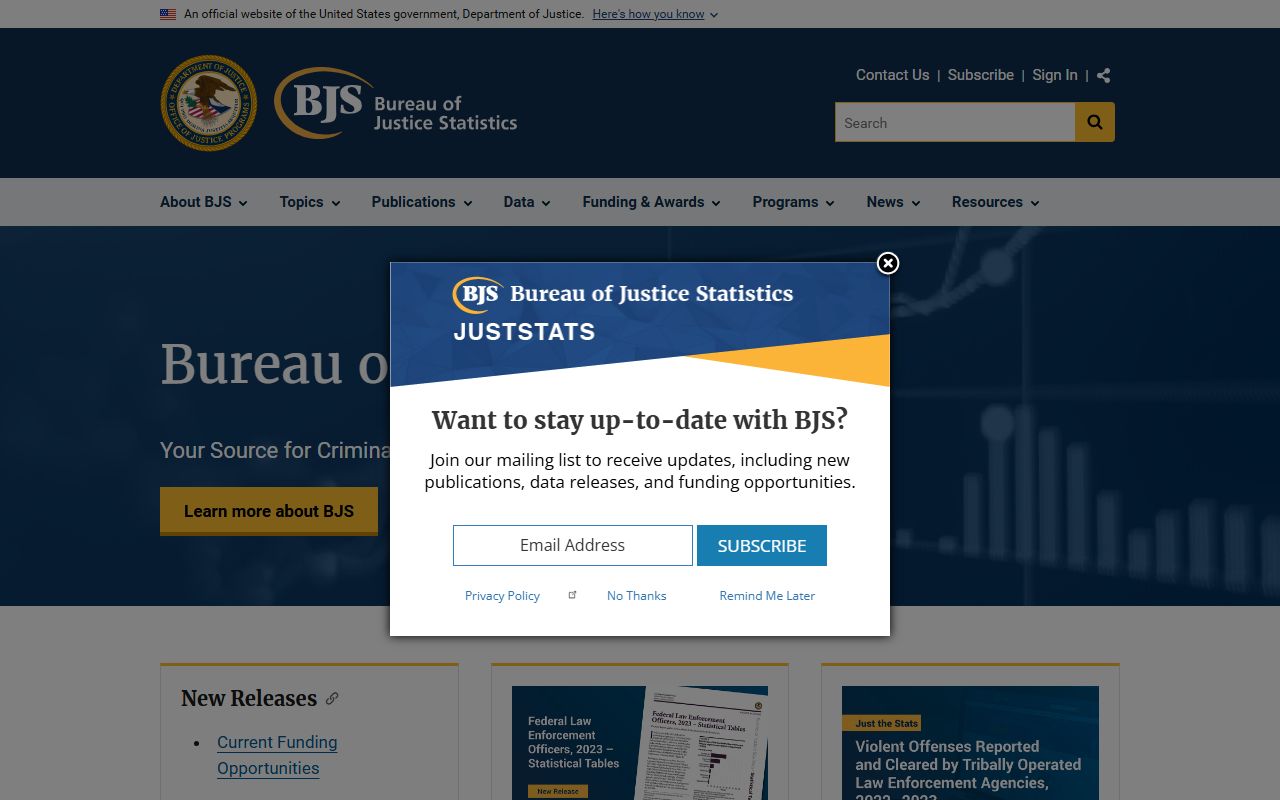
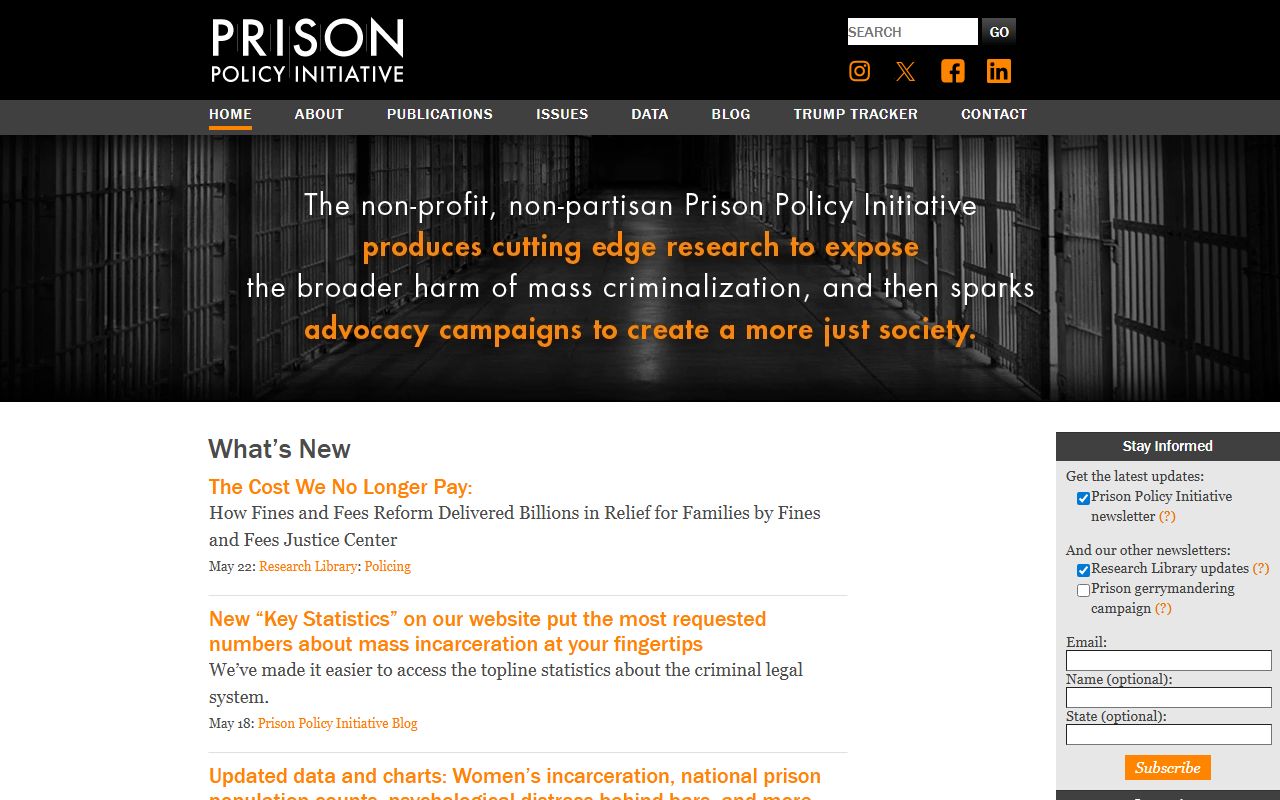
To judge a county jail number, you need a yardstick. Three sources provide reliable national and state jail data without any guesswork on this page. The federal Bureau of Justice Statistics publishes annual jail inmate reports. The Vera Institute tracks incarceration trends by county and state. The Prison Policy Initiative reports state-level breakdowns. The table compares what each one offers.
| Source | What It Provides |
|---|---|
| Bureau of Justice Statistics | Annual national jail population, ADP, and pretrial data. |
| Vera Institute | County and state incarceration trends over time. |
| Prison Policy Initiative | State-level breakdowns and policy context. |
The Bureau of Justice Statistics is the federal baseline for jail data.
For deeper state-level analysis, the Prison Policy Initiative breaks down who is held and why.
You can read these at bjs.ojp.gov and prisonpolicy.org.
Population Trends Over Time
A trend line needs several years of consistent numbers. An official five-year Utah County jail population report was not found in the sources reviewed, so this page does not chart a local trend or state year-over-year changes. That is the honest answer. For trend analysis, the Vera Institute tracks county and state incarceration over time, and the federal jail reports show the national direction. Use those alongside the Sheriff's live count to see where Utah County sits today.
Note: Any county-specific population figure should come from the Sheriff's live statistics page, since the count changes daily with bookings and releases.
Searching for Utah County Inmate Records by Name
This page covers aggregate jail population data, not individual lookups. To search the live jail roster by name, use the Utah County inmate records page, which explains the Sheriff's Arrested Person Search and the booking codes.
Where the Data Comes From
The county count comes from the Utah County Sheriff's Office, which publishes the live Inmate Statistics page for the jail it runs in Spanish Fork. National and state context comes from the Bureau of Justice Statistics, the Vera Institute incarceration trends project, and the Prison Policy Initiative. This page links those sources directly so you can read the official numbers yourself rather than rely on a figure repeated second-hand. When local and national data disagree, the official county source governs the local count.