
Active Warrants in Utah County
Warrants in Utah County are issued by the courts. A judge signs a warrant when there is probable cause for an arrest or when a person fails to meet a court obligation. The Utah County Sheriff's Office then works to serve it. The Sheriff's Fugitive Investigations and Extraditions Team pursues, locates, and arrests people who try to elude justice, and it clears warrants by bringing offenders into compliance with the court. The team handles warrants issued throughout Utah County.
The Sheriff points searchers to the Utah State Warrants Search for active warrants. Warrant lists may not include sealed warrants, juvenile matters, or real-time changes, so a name may not show the moment a warrant is signed. Because of that lag, you should confirm any warrant's status with the Sheriff before you act on it.
You can start at the Sheriff's warrants page, which links the state search and lists the warrant phone lines.
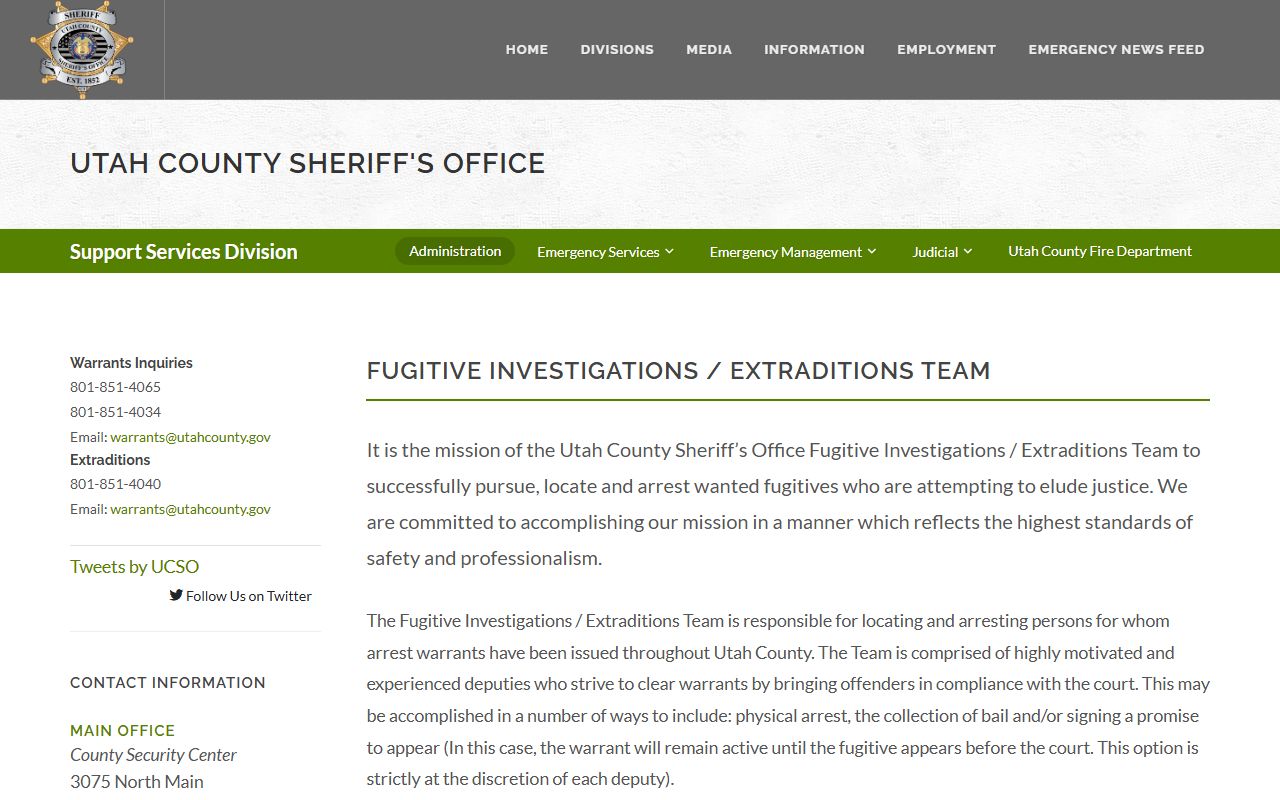
The same page describes how the Fugitive Team resolves warrants and how to pay where payment is allowed.
Types of Warrants in Utah County
Not every warrant means the same thing. Some come from new charges. Others come from a missed court date or a broken condition. Knowing the type helps you understand how serious it is and how to clear it. The list below covers the warrant types you will see in Utah County.
- Arrest warrant - issued after a judge finds probable cause that a person committed an offense.
- Bench warrant - issued by a judge for a failure to appear, a probation violation, contempt, or nonpayment.
- Search warrant - authorizes a search or seizure; the supporting papers become public after they are unsealed.
- Fugitive or extradition warrant - used for a wanted person who is out of county or out of state.
- Warrant in aid of commitment - the Sheriff's charge code WIA, tied to a commitment order.
How to Search Utah County Warrants
The Sheriff directs warrant searches to the Utah State Warrants Search at warrants.utah.gov. It is an official statewide tool. You can also call the Sheriff's warrant specialists directly, which is the surest way to confirm whether a warrant is active. The steps below cover both paths.
- Open the Utah State Warrants Search and run a name search.
- Note any result, but treat it as a starting point, not a final answer.
- Call the Sheriff's warrant line at 801-851-4065 or 801-851-4034, or email warrants@utahcounty.gov, to confirm the status.
Do not pay or appear based only on a private website. If the case is serious or a felony, talk to a lawyer before you act. For extradition questions, the Sheriff lists 801-851-4040.
Utah County Warrant Search Fields
The public state warrant search keeps its fields simple. It is built around a name search. The exact internal fields are limited on the public page, and some warrant details are restricted or delayed. The table below lists what the state search exposes.
| Field Label | Type | Required | Notes |
|---|---|---|---|
| Name Search | Text | Likely required | Search active warrants by the wanted person's name. |
| Search / Submit | Button | Yes | Runs the query against the state warrant data. |
For confirmation, the Sheriff's phone lines do more than the public page. Specialists can tell you the issuing court, the charge, and whether a bail or fine can be paid.
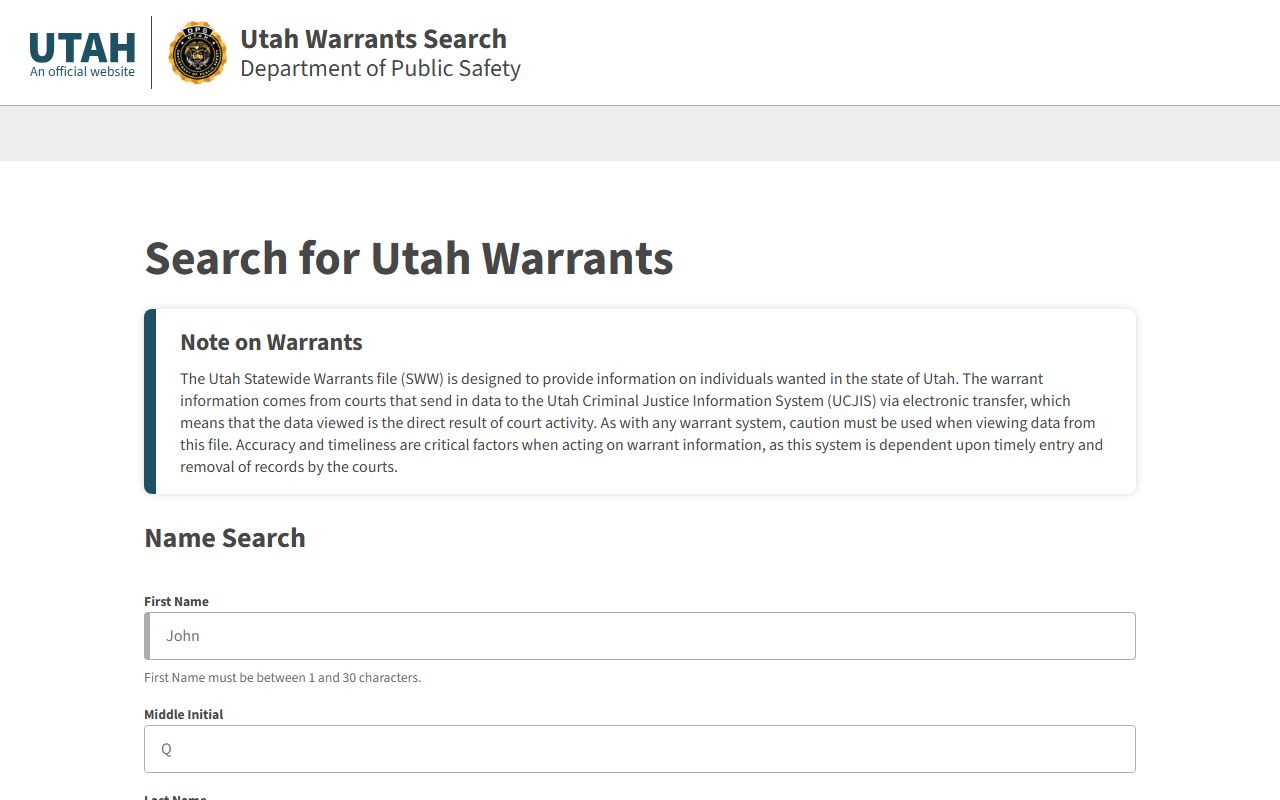
The state search is the tool the Sheriff officially links for active Utah County warrants.
What a Utah County Warrant Record Shows
A warrant record holds more than a name. When you confirm one through official channels, you can expect the fields below, drawn from Sheriff and court practice. Some fields appear only when payment or a court appearance is allowed.
| Field | What It Shows |
|---|---|
| Name of Wanted Person | The person the warrant is issued against. |
| Warrant Status | Whether the warrant is active or has been cleared. |
| Issuing Court | The district or justice court that signed the warrant. |
| Case Number | The court case tied to the warrant. |
| Charge or Offense | The underlying charge or court violation. |
| Warrant Type | Arrest, bench, search, fugitive, or aid of commitment. |
| Bail or Fine Amount | The amount payable, if the warrant allows payment. |
| Extradition Status | Whether a felony or out-of-state warrant involves extradition. |
What to Do If You Have an Outstanding Warrant
If you think a warrant has your name on it, do not ignore it. A warrant does not expire on its own and can lead to an arrest at a traffic stop or any contact with police. The Sheriff lists a few ways a warrant gets resolved: a physical arrest, paying bail, or signing a promise to appear. A promise to appear is at the deputy's discretion, and the Sheriff warns the warrant stays active until the person appears before the court.
- Confirm the warrant through the state search or the Sheriff's warrant line.
- If the Sheriff page shows a payable bail or fine, use the official Pay Warrants link or speak with a warrant specialist.
- Ask whether a promise to appear is possible for your warrant.
- For a serious or felony warrant, talk to counsel before appearing.
- Appear at the issuing court or the jail as instructed, then confirm the warrant was cleared.
Important: Talk to a lawyer before turning yourself in on a felony warrant, since what you say and do at surrender can affect the case.
Extradition and Felony Fugitive Warrants
Felony warrants can reach beyond Utah County. The Sheriff's Fugitive Investigations and Extraditions Team coordinates with out-of-state jurisdictions for felony warrants, and deputies travel throughout North America to pursue, arrest, and extradite wanted felony fugitives. For these matters the Sheriff lists an extraditions contact at 801-851-4040. Federal warrants are handled by federal agencies, not the county.
The U.S. Marshals Service maintains district offices, including the District of Utah, and handles federal prisoner custody, transport, and fugitive matters.

If a wanted person is already in federal custody, the federal Bureau of Prisons inmate locator can show where they are held.
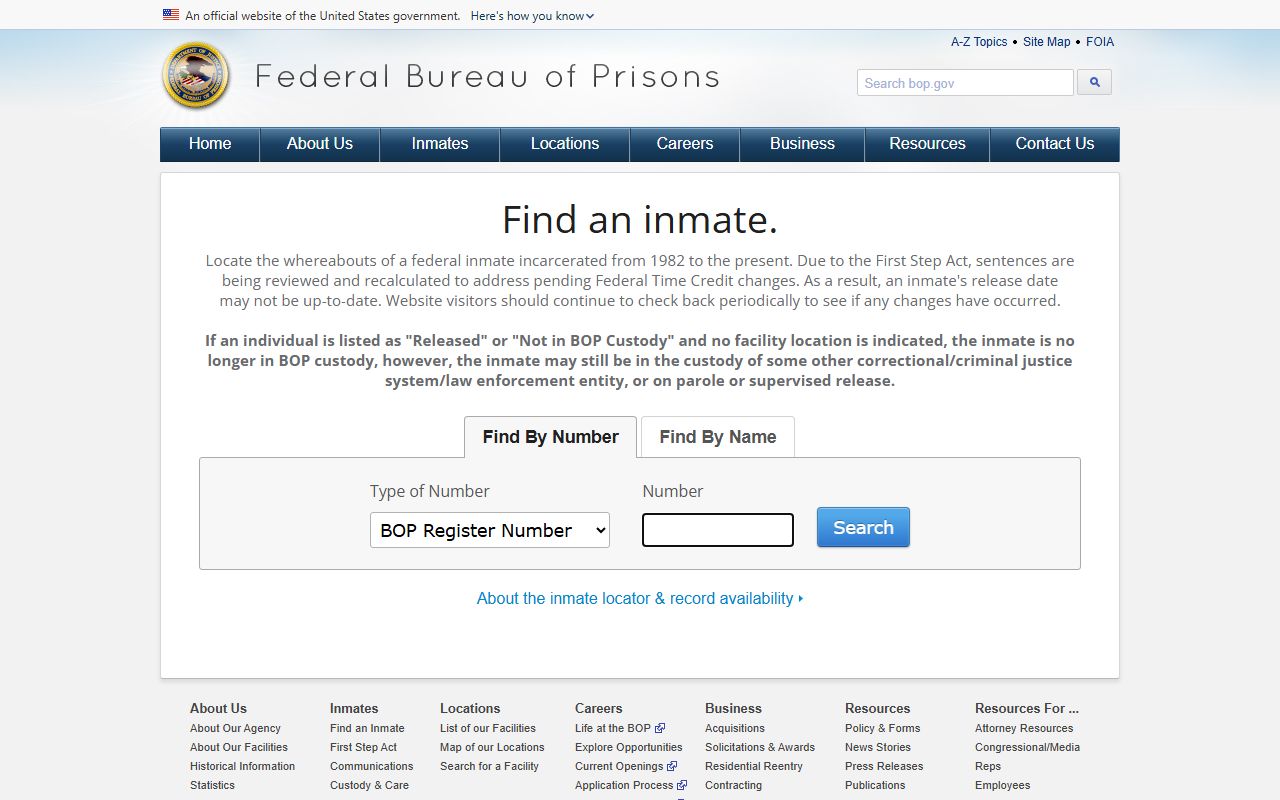
You can search the federal locator at bop.gov by name or by a federal number.
Restricted Utah County Warrant Records
Some warrants do not show up in a public search. Sealed warrants, juvenile matters, and certain search warrants under seal are kept out of the public list. Search warrant affidavits become public only after they are unsealed under Utah criminal procedure and court rule. Because of these limits, an empty search result does not always mean there is no warrant. The Sheriff's warrant line remains the way to confirm.
A related public tool is the Utah Sex and Kidnap Offender Registry, which lists registered offenders rather than warrants but is often searched alongside them.
The registry is searchable by name or near an address at the state registry site.
Warrant Scams to Avoid
Scammers use the fear of a warrant to take money. The Utah Judiciary warns about text messages that look like they come from courts and demand payment through links or QR codes. Courts do not request payment that way. If you get a message like that, do not respond and do not give out personal or financial information. Confirm any real warrant through the Sheriff or the official state search instead.
Note: A real Utah County warrant is resolved through the court or the Sheriff, never through a payment demanded by text or a random phone call.