
Utah GRAMA Public Records Law
Utah's open-records law is the Government Records Access and Management Act, known as GRAMA. It sits in Utah Code Title 63G, Chapter 2. GRAMA gives a person the right to inspect a public record free of charge and to obtain copies during normal working hours, subject to fee and request rules. The right to inspect a public record is set out in Utah Code § 63G-2-201.
GRAMA also recognizes that not every record is fully open. It sorts records into public, private, controlled, protected, and restricted categories. A public record is open to anyone. The other categories limit who can get access, often to the person the record is about or an authorized representative.
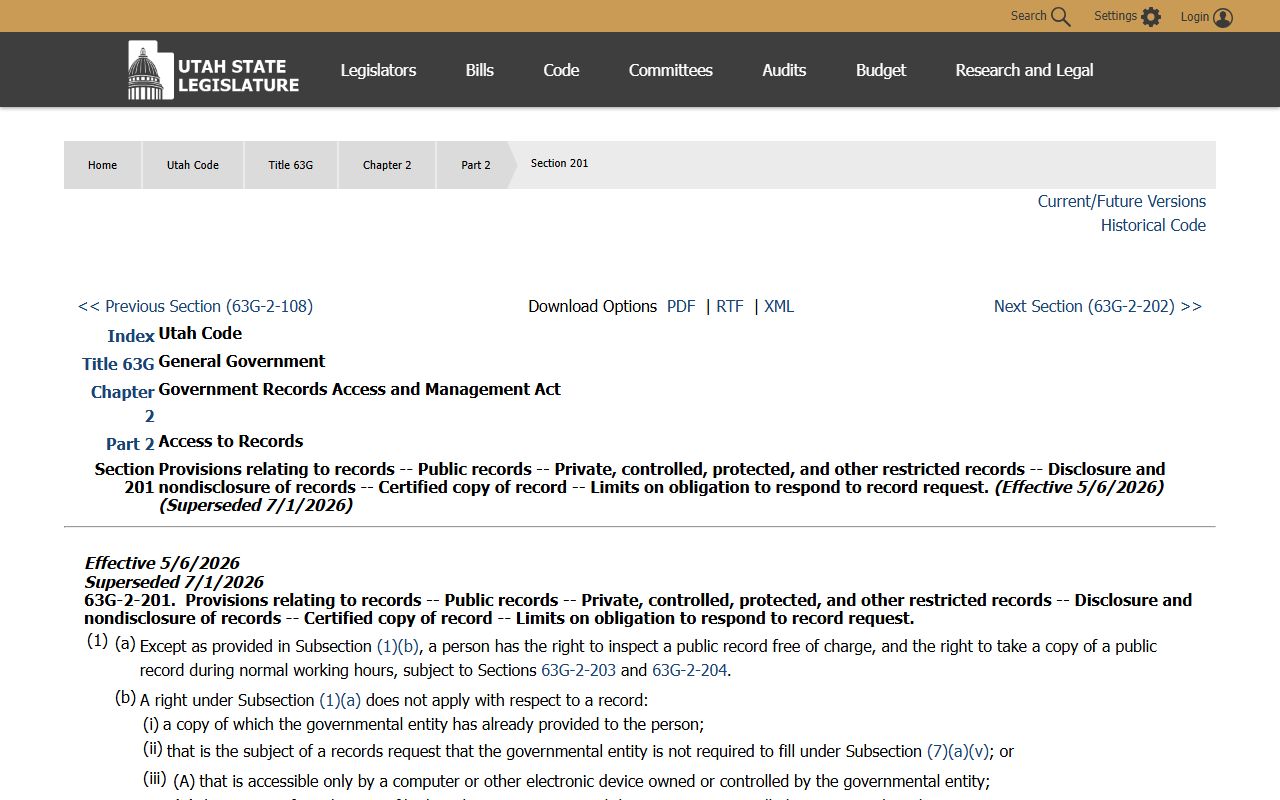
The statute is the legal basis for any Utah County public records request.
What Records Utah County Maintains
Different county offices hold different records, and knowing which office is key to a fast request. The Recorder keeps land records, with official records and document images dating back to 1870. The County Clerk keeps marriage licenses, elections records, and passport services. The Sheriff keeps case reports, accident reports, and records checks. The list below covers the main public records the county holds.
- Land records, deeds, and document images from the County Recorder.
- Marriage licenses and elections records from the County Clerk.
- Case reports, accident reports, and recordings from the Sheriff.
- Business, tax, and property records held by county offices.
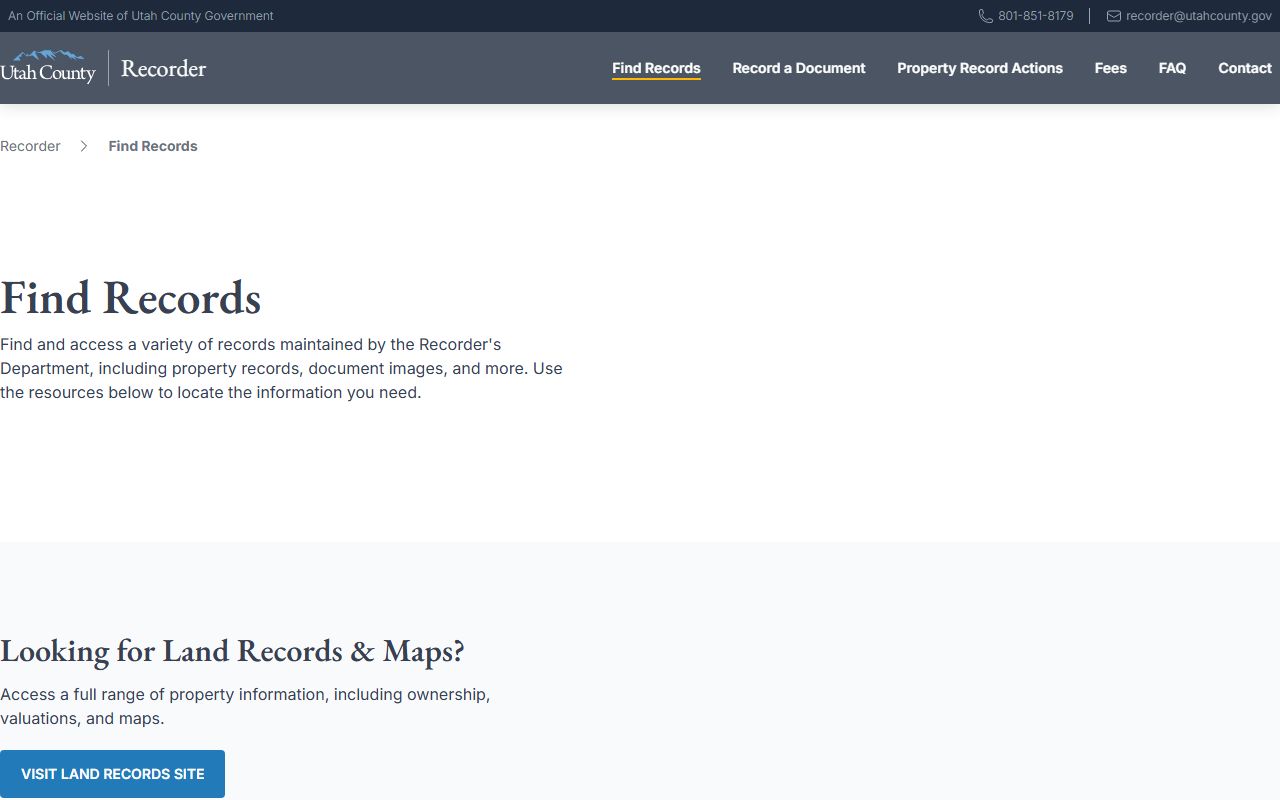
The Recorder's find-records page lets you view document images online at no charge, per the Recorder's site.
Court Records vs. GRAMA Records
This is the distinction that confuses people most. County, sheriff, and recorder records use the GRAMA process. Court case records do not. They follow the Utah Code of Judicial Administration record rules and the Utah Courts request process instead. The table sets the two paths side by side.
| GRAMA Records | Court Records | |
|---|---|---|
| Examples | Deeds, sheriff reports, county records | Civil, criminal, probate, divorce cases |
| Governing Rules | GRAMA, Title 63G Chapter 2 | UCJA Rules 4-202 and related |
| How to Request | GRAMA request to the county office | Xchange or a court-record request |
| Where | Recorder, Clerk, Sheriff | Fourth District or justice court |
If you want a case file, the court records page covers the court process. For a deed or a sheriff report, stay on the GRAMA path described here.
How to File a Public Records Request in Utah County
A GRAMA request goes to the office that holds the record, not a single central desk. Identify the right office first, then describe the records clearly so staff can find them. The Sheriff, for example, publishes a GRAMA request form for its records. The steps below outline the process.
- Identify the office that holds the record, such as the Recorder, Clerk, or Sheriff.
- Describe the records you want as specifically as you can, with names and dates.
- Submit the request by the office's accepted method, such as a GRAMA form, mail, or email.
- Wait for the response and any fee estimate for staff time.
- Pay any approved fees and receive the records in your chosen format.
For sheriff records, the Sheriff's Records Office handles case reports, accident reports, photographs, recordings, and records checks. It can be reached at 801-851-4500 or by email at SheriffRecords@utahcounty.gov, and it is open Monday through Thursday with shorter Friday hours.
Public Records Request Form Fields
A GRAMA request is short, but a clear one gets answered faster. Most forms ask for who you are, what you want, and how you want it. For a non-public record, you also state your basis for access. The table lists the common fields.
| Field | Required | Notes |
|---|---|---|
| Requester Name and Contact | Yes | How the office reaches you with the response. |
| Description of Records | Yes | Be specific; names and dates speed the search. |
| Date Range | No | Narrows the search and lowers staff time. |
| Format Preference | No | Paper, electronic, mail, or email. |
| Basis for Non-Public Access | Conditional | Required when the record is private, controlled, or protected. |
Access to private, controlled, or protected records is governed by Utah Code § 63G-2-202.
Response Timelines
GRAMA sets the procedures and timing for how a government office responds to a request. The response rules are in Utah Code § 63G-2-204. An office must respond within the statutory window, grant or deny access, and explain a denial. If the records need staff time to compile, the office tells you before doing the work. Court-record requests are different and usually get a response within 10 business days under the Utah Courts process.
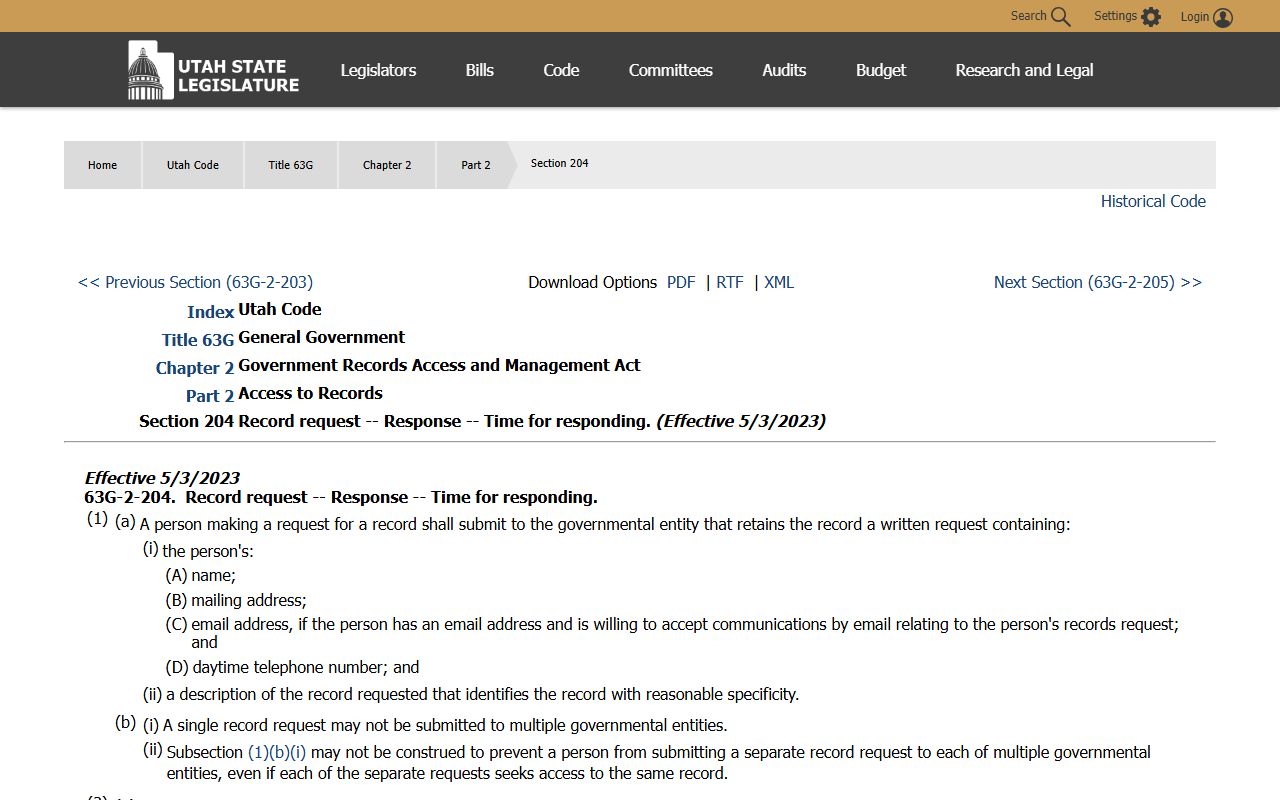
The statute lays out what an office must do once it receives a request.
Public Records Fees in Utah County
GRAMA allows reasonable fees for copying, compiling, and staff time. Agencies often base staff-time charges on the lowest-paid qualified employee. The fee rules are in Utah Code § 63G-2-203. As a concrete example, the Utah Courts record-request schedule charges the amounts in the table.
| Item | Amount |
|---|---|
| Paper copies | $0.25 per sheet |
| Electronic storage media | $15 per unit |
| Free staff time | First 15 minutes |
| Staff time after free period | $15 per hour for clerk time |
| Fax or email copies | $5 for 10 pages or less, then $0.50 per page |
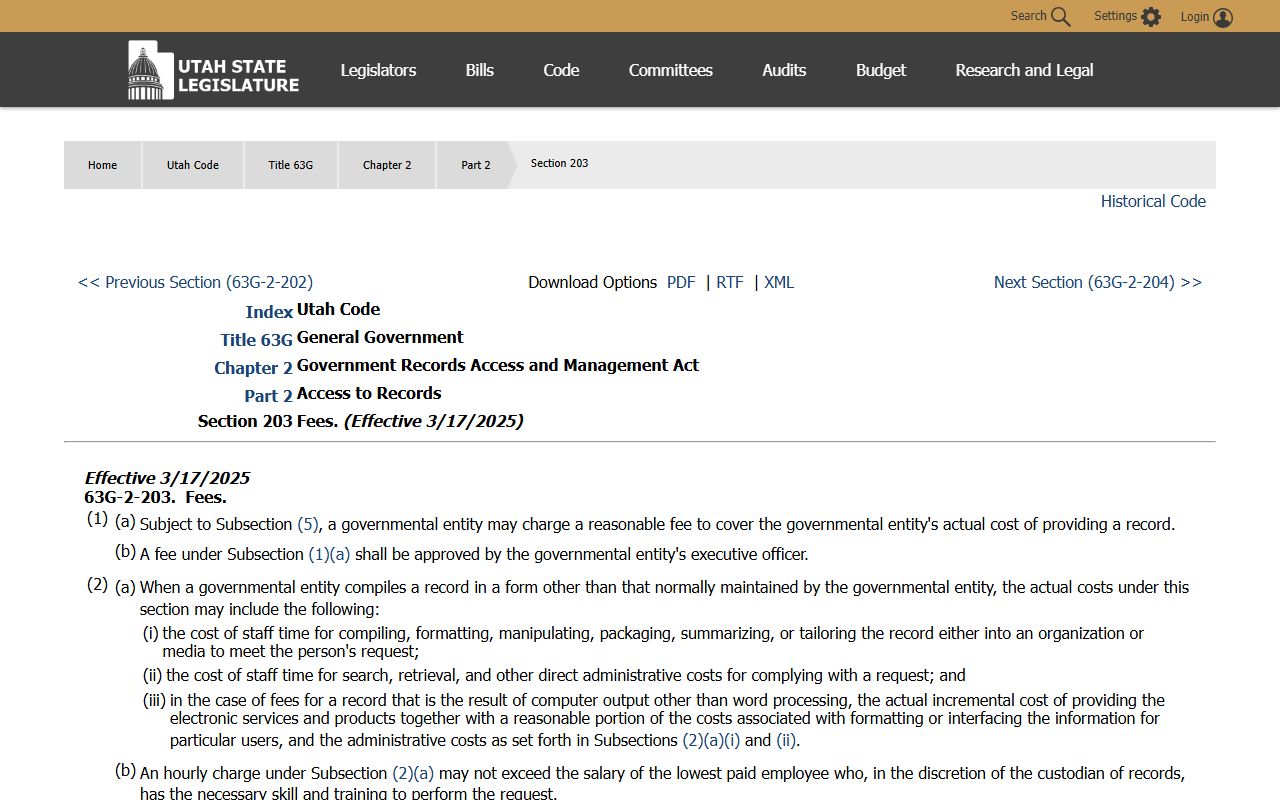
The County Recorder posts its own recording and copy fees on its recording fees page.
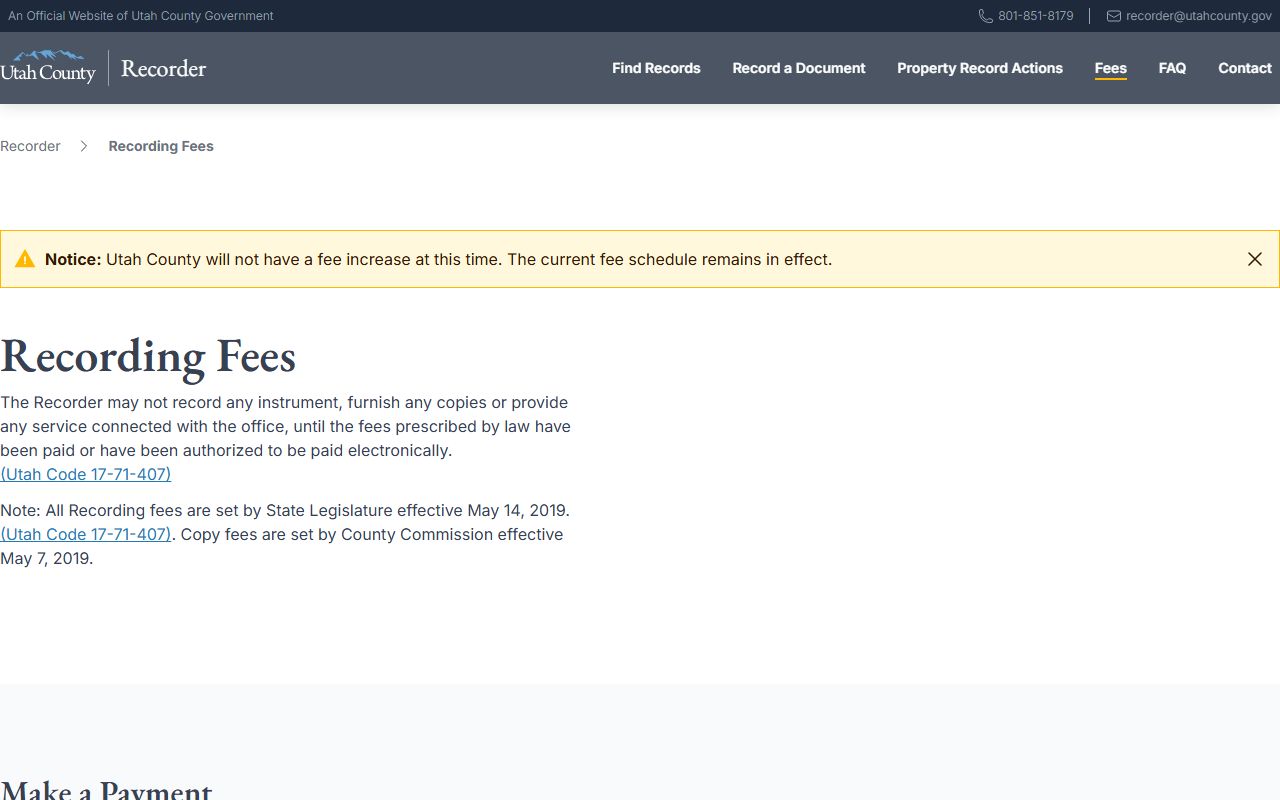
Recorder fees differ from court-record fees, so check the office that holds the record you want.
Records That Are Not Public
GRAMA keeps some records out of public view to protect privacy and safety. Private records hold personal information about an individual. Controlled records include certain medical or psychological data. Protected records cover things like attorney work product, security plans, and trade secrets. Court files add their own limits under the judicial rules, sealing categories such as adoption, expunged cases, and juvenile matters. The list of who may reach non-public records is set in the statute.
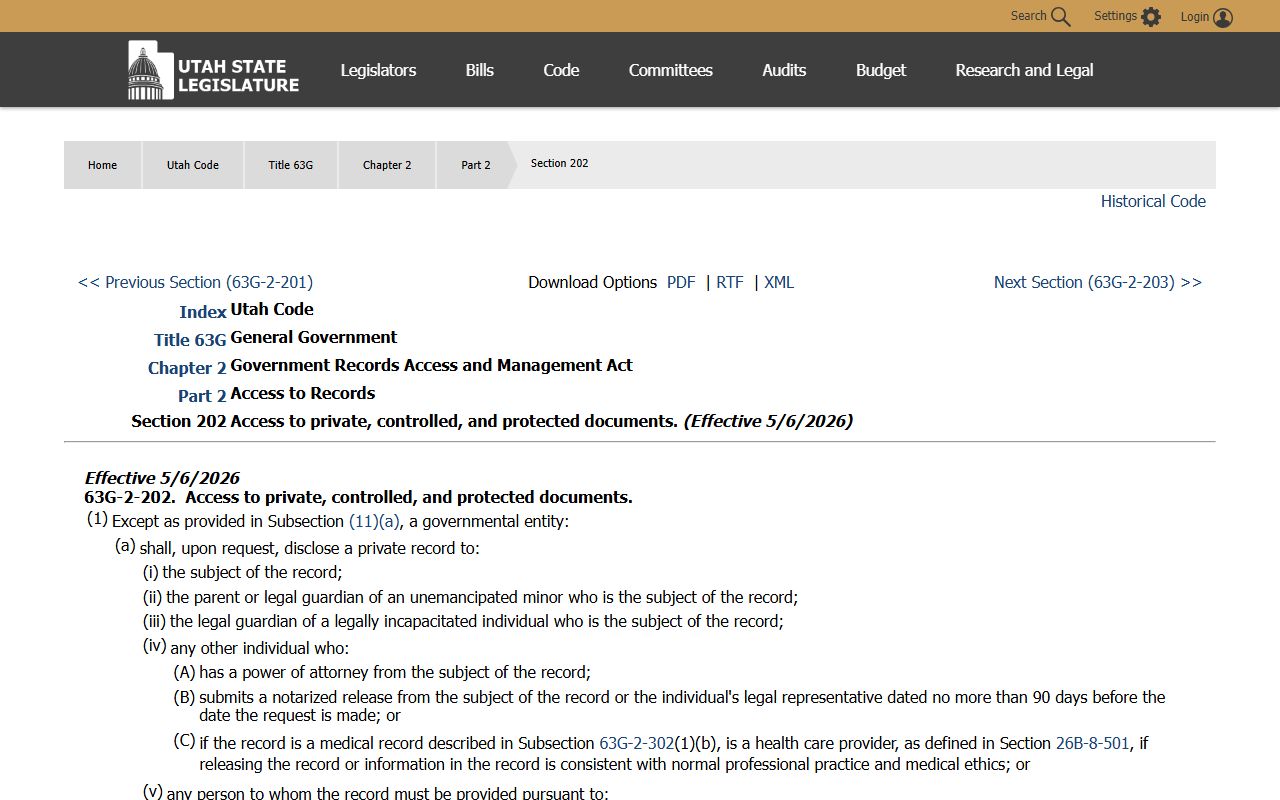
The classifications decide whether a record is open to anyone or limited to certain people.
If Your Request Is Denied
A denial is not always the end. Under GRAMA, an office must explain why it denied access, and the act gives requesters the right to appeal that decision. The first step is usually a written appeal within the agency, and GRAMA provides further review if the appeal is denied. Keep your original request and the denial letter, since both matter on appeal. For a denied court-record request, the court instead sends information about the next options, as the court records page explains.