
How to Search Utah County Traffic Court Records
Traffic records appear in a few official systems. Utah Court Calendars show upcoming hearings. Xchange shows public justice court and district court case information. MyCourtCase gives a party free access to their own case. The Utah County Justice Court site handles payments for fines, traffic violations, and traffic school. Pick the tool that matches what you need, and always start with the court name printed on the citation.
Before you start, gather your citation number, the driver name, and the court location. The citation number is the fastest way in, since a name search can return more than one match. The steps below walk through a basic lookup.
- Read the citation and note the court named on it.
- Open Utah Court Calendars for a hearing date, or Xchange for the public case record.
- Enter the citation or case number, or the driver name, and set the court location.
- Review the charge, court date, and disposition.
- Pay, contest, or request a certified copy through the correct court.
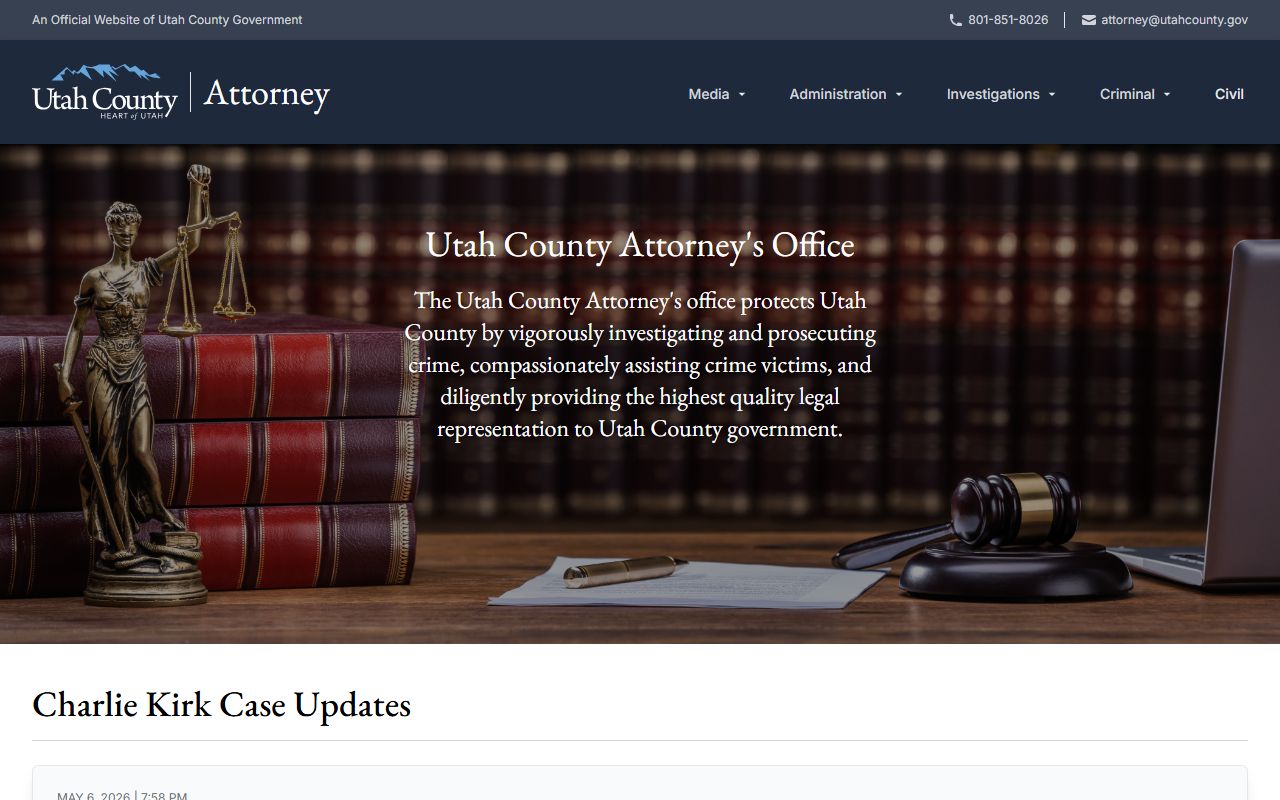
The County Attorney also runs a case-number search, which is separate from the court systems but can help confirm a prosecuted case.
Which Courts Handle Traffic Cases in Utah County
Traffic cases in Utah County can land in a justice court, a city justice court, or the district court, depending on the offense level and the charging decision. Justice courts handle most class B and class C misdemeanors, infractions, and traffic cases. Serious matters charged as a class A misdemeanor or a felony, such as some DUI cases, route to the district court because all felony and class A misdemeanor cases are filed there. The courts below hear Utah County traffic matters.
- Utah County Justice Court - 151 S University Ave #3300, Provo, UT 84601, phone 801-851-7200, for county traffic, small claims, and lower misdemeanors.
- City justice courts - Orem, Provo, Lehi, Lindon, Pleasant Grove, Payson, Springville, and others for city-issued citations.
- Fourth District Court - Provo, American Fork, and Spanish Fork for class A and felony traffic cases.
For a city-issued citation, the city justice court is often the right venue, not the county court. Use the court name on the citation to be sure.
Types of Traffic Cases on Record
Traffic records cover a wide range of offenses, from a simple speeding ticket to a commercial driving violation. The category affects how the case is handled and what options you have. The list below shows the main traffic case types in Utah County.
- Moving violations - speeding, failure to obey a traffic control device, improper lane travel, and following too closely.
- Non-moving and equipment - registration, equipment, proof of insurance, and lighting issues.
- Parking citations - handled differently by city, listed among the case categories.
- Commercial vehicle and CDL - may carry separate reporting consequences and limit some options.
- DUI and drug-related driving - serious cases that can route to criminal court.
What Utah County Traffic Court Records Show
A traffic case file follows the citation from filing to disposition. The public record shows the case basics, the outcome, and any money owed. The table lists the fields you can expect in a Utah County traffic court record.
| Field | What It Shows |
|---|---|
| Citation or Case Number | The number that identifies the traffic case. |
| Charge and Statute | The offense and the statute or ordinance cited. |
| Court Location | The county or city justice court, or district court. |
| Court Date | The hearing date and type. |
| Disposition | Guilty, dismissed, plea in abeyance, traffic school, or paid. |
| Fine and Fees | The fine, surcharge, fees, and any amount still due. |
A failure to appear or a missed payment can add a warrant event to the record, which the warrant records page explains.
Searching by Citation Number vs by Name
The citation number is the most precise way to find a case. A name search works too, but a common name can return several matches, so add the court location to narrow it. The court calendar tool supports both methods. The table lists its search fields.
| Search Field | Type | Required | Notes / Format |
|---|---|---|---|
| Search By | Radio / tab | Yes | Case Number, Party Name, Judge Name, or Attorney. |
| Case Number | Text | Conditional | Use the citation or case number from the court notice. |
| Party Name | Text | Conditional | Search the defendant name for traffic court dates. |
| Location | Dropdown | Optional | Utah County Justice Court, city justice courts, or district courts. |
The calendars update every weekday at 5:30 a.m., and the full calendars show associated attorneys and charges.
Paying or Contesting a Utah County Traffic Ticket
The Utah County Justice Court site lets you pay fines, traffic violations, traffic school, or court fees. In-person payments are taken only until 4:30 p.m. based on the court's hours. Read the citation first, since some charges cannot simply be paid and require a court appearance. Keep your receipt and confirm the case is closed afterward.
To contest a ticket, you enter a not-guilty plea or request a hearing through the court on the citation, then watch the court calendars for your hearing date. Bring your evidence and witnesses. Do not record a remote or in-person hearing without the court's permission. If the case could carry jail time, ask the court about appointed counsel.
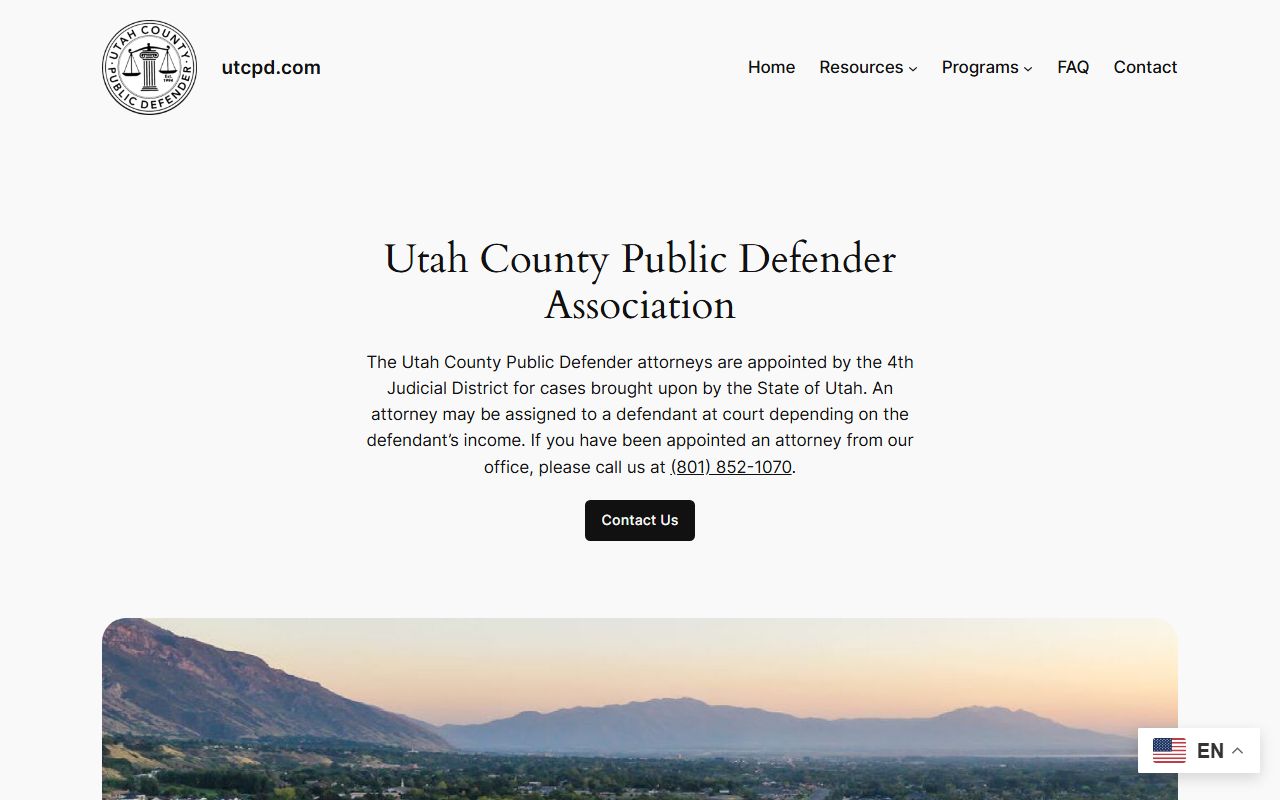
The Utah County Public Defender handles appointed defense for eligible Fourth District cases.
Public Access Laws for Traffic Court Records
Public traffic case information is searchable in Xchange, which includes justice court cases. The court file follows the Utah Code of Judicial Administration record rules, while county and agency records use GRAMA. Court proceedings, including remote hearings, may not be recorded or photographed without permission under UCJA Rule 4-401.02. The key statutes are below.
Key Statutes:
Utah Code § 63G-2-201 - the GRAMA right to inspect public records and get copies.
UCJA Rule 4-401.02 - the rule barring recording or photographing court proceedings without permission.
Court Traffic Records vs State Driver Records
This is the distinction that matters most. The court traffic record is the case file held by the court that handled the citation. The state driver record, or MVR, is a separate file kept by the Utah Driver License Division. The court record shows the case; the driver record shows your license history. The table sets them side by side.
| Record Type | Source | What It Shows | How to Access |
|---|---|---|---|
| Court Traffic Record | Justice or district court that handled the citation | Charge, court date, plea, disposition, fine, case history | Xchange, MyCourtCase, calendars, or the clerk |
| State Driver Record | Utah Driver License Division | Reportable convictions, department actions, license status | DLD MVR online, in office, or by mail |
The Utah DLD says an MVR shows reportable convictions, department actions, and license status, with most information displayed for 3 years and DUI or drug-related charges for 10 years.
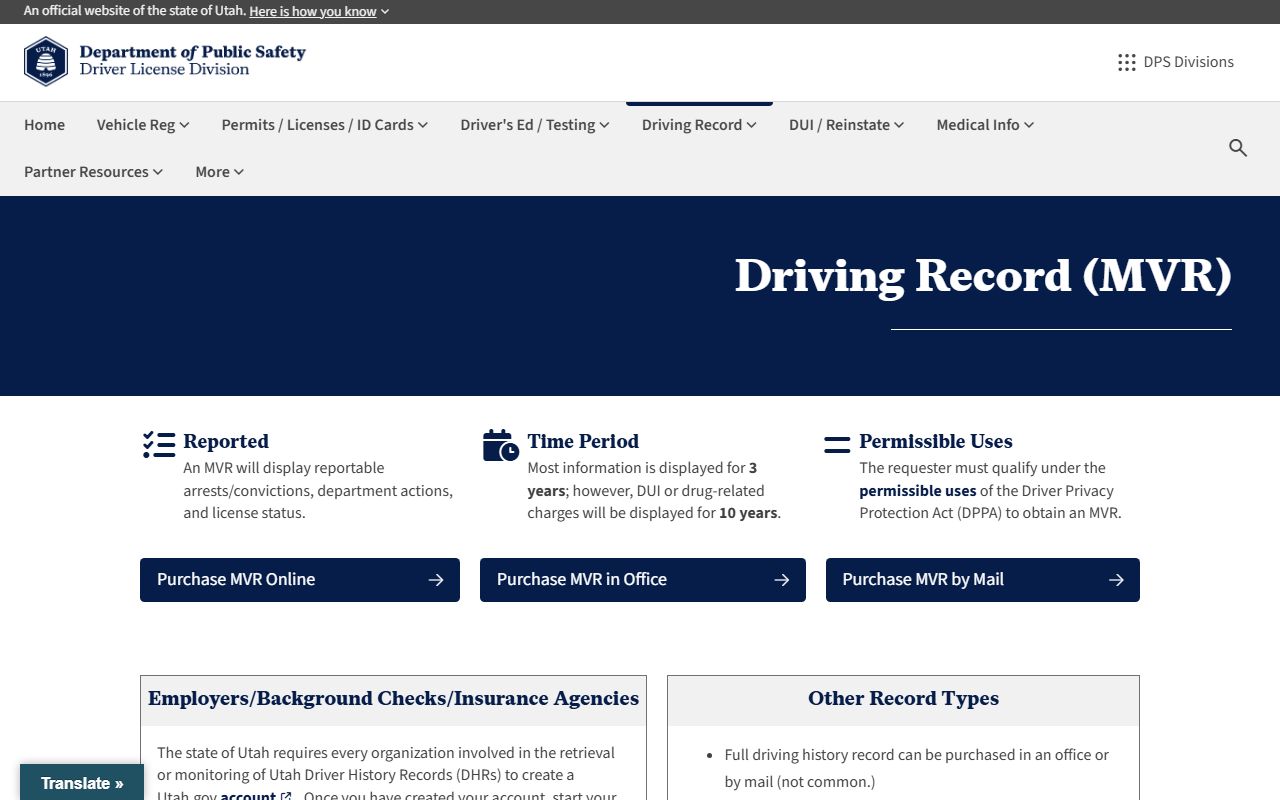
Access to a driver record follows the federal Driver Privacy Protection Act, so the requester must qualify under a permissible use. You can read the options on the Utah DLD MVR page.
CDL and Commercial Driver Records
Commercial drivers face stricter rules. A CDL holder may have separate reporting consequences for a traffic conviction, and some violations limit options like traffic school or deferred handling that other drivers can use. Federal reporting rules sit on top of state ones. Because the stakes for a commercial license are high, a CDL holder should confirm the effect of any plea with both the court and the Driver License Division before resolving a citation.
DUI and Drug-Related Driving Cases
DUI is not a routine traffic ticket. A serious DUI charged as a class A misdemeanor or a felony goes to the district court rather than a justice court. On the driver record side, the Utah DLD shows DUI and drug-related charges for 10 years, far longer than the 3-year display for most violations. That long reach is one reason DUI is treated as a criminal matter, not a simple traffic case.
For full Utah County DUI and drug-related case information, see Utah County arrest records.
Deferred Prosecution and Traffic School
Utah offers ways to resolve a traffic case without a straight conviction. The Utah Courts MyCourtCase resources link drivers to Deferred Traffic Prosecution, and the Utah County Justice Court site references traffic school. These options can change how a case ends and how it reports, but eligibility, cost, and the effect on a record vary by offense and court. Because the rules differ case by case, confirm eligibility with the court named on the citation and the official Utah Courts deferred traffic prosecution guidance before counting on it.
Sealing or Expunging Traffic Records
Traffic expungement follows a simpler path than other criminal records. The Utah Bureau of Criminal Identification says traffic expungement inquiries go directly to the court that handled the case, and you do not apply through BCI when every offense in the case is a traffic offense. BCI identifies traffic offenses as infractions, class B, or class C misdemeanors under the Traffic Code or the Driver Licensing Act. The arrest records page covers the broader expungement process for non-traffic cases.
Fees for Traffic Record Copies
Fine amounts vary by citation and court, so use the official payment portal or your court notice for those. For copies of a traffic court record, the Utah Courts record-request fees apply. The state also charges a fee for a driver record, which you buy from the Driver License Division. The table lists the court copy fees.
| Item | Amount |
|---|---|
| Paper copies | $0.25 per sheet |
| Fax or email copies | $5 for 10 pages or less, then $0.50 per page |
| Free staff time | First 15 minutes |
| Clerk time after free period | $15 per hour |
| State driver record (MVR) | Fee set by the Driver License Division |
The court will not fax or email records that are already available on Xchange.